
Glow School
How Long Does a Tan Take to Develop? (And Why It Shows Up Later)
Why your glow peaks two days after the beach, the real development timeline, and how long the result actually lasts.
26 August 2026 · 4 min read
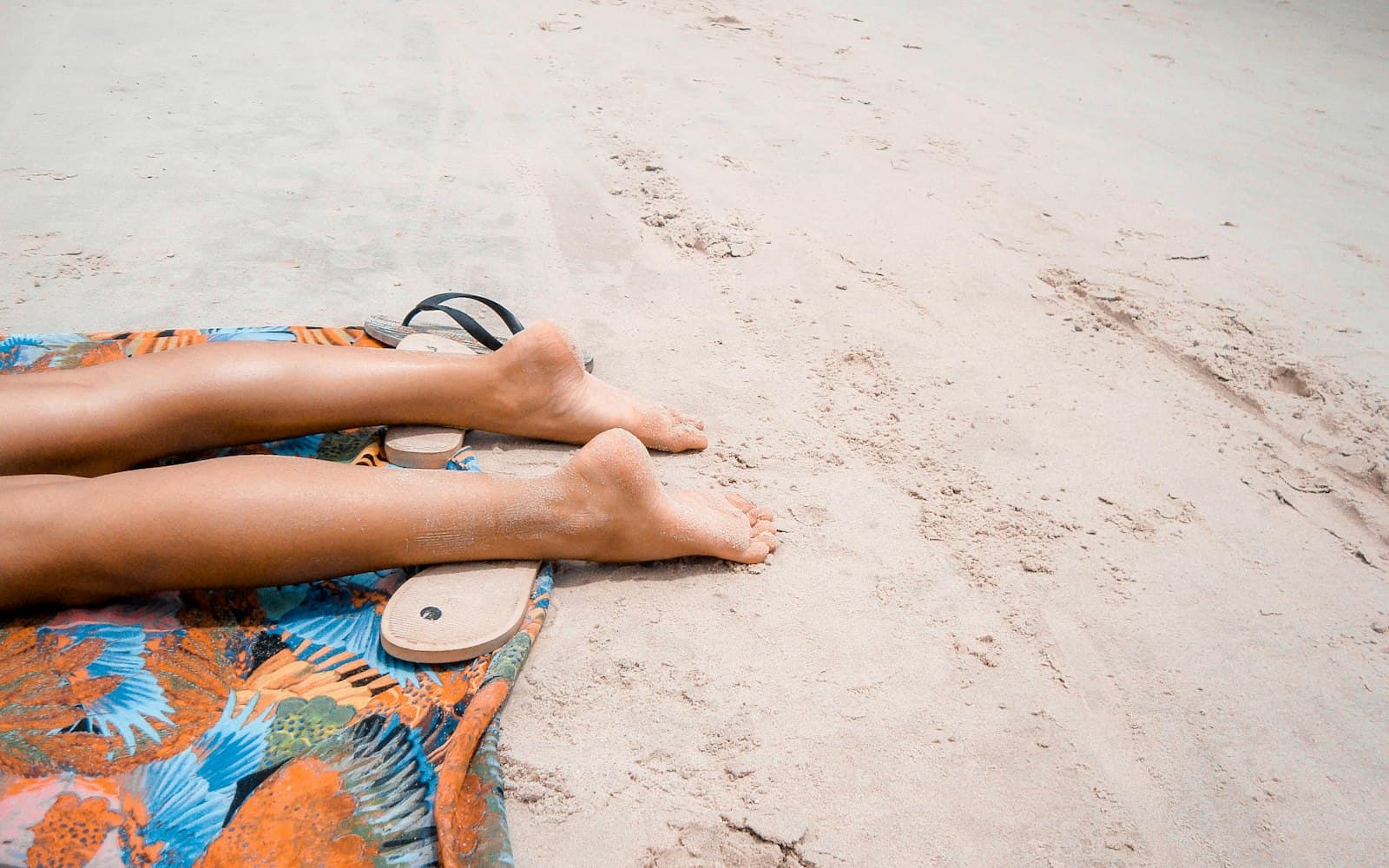
You spend the day by the pool, check the mirror at dinner and see... slightly pink, maybe, but not the glow you were promised. Then Wednesday morning — two days after the beach — you catch your reflection and suddenly you're golden. It's not your imagination and it's not the hotel lighting. A tan genuinely develops on a delay, and understanding that timeline changes how you plan your whole holiday.
The 24–72 hour rule
Here's the headline: visible colour from UV exposure typically takes between 24 and 72 hours to fully show, depending on your skin type, the UV intensity and how your skin responds. There's a small amount of immediate colour some people see within hours — that early bronzing is surface-level and fades quickly, sometimes by the next morning. The tan that stays is the delayed one, developing over the following two to three days. This is why judging your progress at 6pm on sun day is pointless. The mirror you're looking for is the one on day three.
Why the delay happens
Colour from the sun doesn't appear the way paint dries — it's your skin responding to exposure over time, and that response runs on its own schedule. Individual factors set the speed: fairer skin types often take the longer end of the window, deeper skin tones frequently see colour sooner. UV intensity matters too — a high-UV-index day starts the clock faster than a hazy afternoon, though it also raises the burn risk that ruins everything. The practical takeaway: what you do on days two and three (hydrating, not burning, not over-exfoliating) matters as much as what you did on the lounger.
Sun vs sunbed timelines
The same delay applies indoors. A sunbed session doesn't hand you a tan at the till — colour from a session develops over the following 24–48 hours, which is why tanning studios recommend spacing sessions at least 48 hours apart: you genuinely can't judge the result of Monday's session until Wednesday. Building a base through a course of short sessions takes two to four weeks of patience, not one heroic marathon. And the responsible-tanning rules apply indoors exactly as they do outdoors — UV is UV, session times should be built up gradually, and anyone who tells you sunbeds are a safe shortcut is wrong.
What changes your timeline
- Skin type: fair skin usually develops slower and peaks lighter; deeper tones see colour sooner. Genetics sets the range — no product overrides it.
- UV index: stronger UV starts the process faster but raises burn risk. Check your weather app and dose sessions accordingly.
- Skin condition: hydrated, freshly exfoliated skin develops colour more evenly; dry, flaky skin goes patchy and sheds early.
- Aftercare: the developing days are when dehydration does the most damage — moisturise morning and night while the colour is still arriving.
- Burning: a burn doesn't speed anything up. It peels, usually within a week, and takes the whole developing tan with it.
And how long does it then last?
Once fully developed, a well-kept tan looks its best for around two to three weeks and fades gracefully over about four — because it lives in the outer layer of your skin, which naturally renews itself. What decides where you land in that range is almost entirely aftercare: lukewarm showers instead of hot, rich moisturiser twice a day, and no harsh exfoliation while you want the colour. Our deep-dive on why tans fade fast has the full six reasons and fixes. The short version: a tan doesn't fade, it leaves — and it leaves fastest when skin is thirsty.
Speeding it up, honestly
No cream shortens the development window itself — anyone claiming overnight colour without DHA is inventing things. What you can do is make sure the colour that develops is the best version: exfoliate 24 hours before, keep skin deeply hydrated so the glow develops evenly, and use a tanning accelerator like the Capri Peptide Glow Accelerator before sessions. It adds no colour of its own — zero DHA, zero bronzer — but the coconut oil and shea drench means your own tan shows up looking deeper and more uniform rather than dull and patchy. Pair with SPF on top, always, because a burn on day one delays everything by a week.
Your tan isn't late. It's on a 72-hour delivery service — hydrate, don't burn, and check the mirror on day three.
Capri glow rule: no tan is worth a burn. The Peptide Glow Accelerator contains no sun protection — SPF goes on top, every time, and gets reapplied like clockwork.
Quick answers
The tube behind the tips
Capri Peptide Glow Accelerator · £24.99
Hydrating pre-sun cream with coconut oil, shea and tyrosine. Sinks in before the timer starts — just your own glow, turned up.
Keep reading
How to Tan Faster This Summer (Without Frying Your Skin)
You can't rush your skin — but you can stop wasting the sun you get. The honest routine for a faster-looking, longer-lasting glow.
8 July 2026 · 5 min read
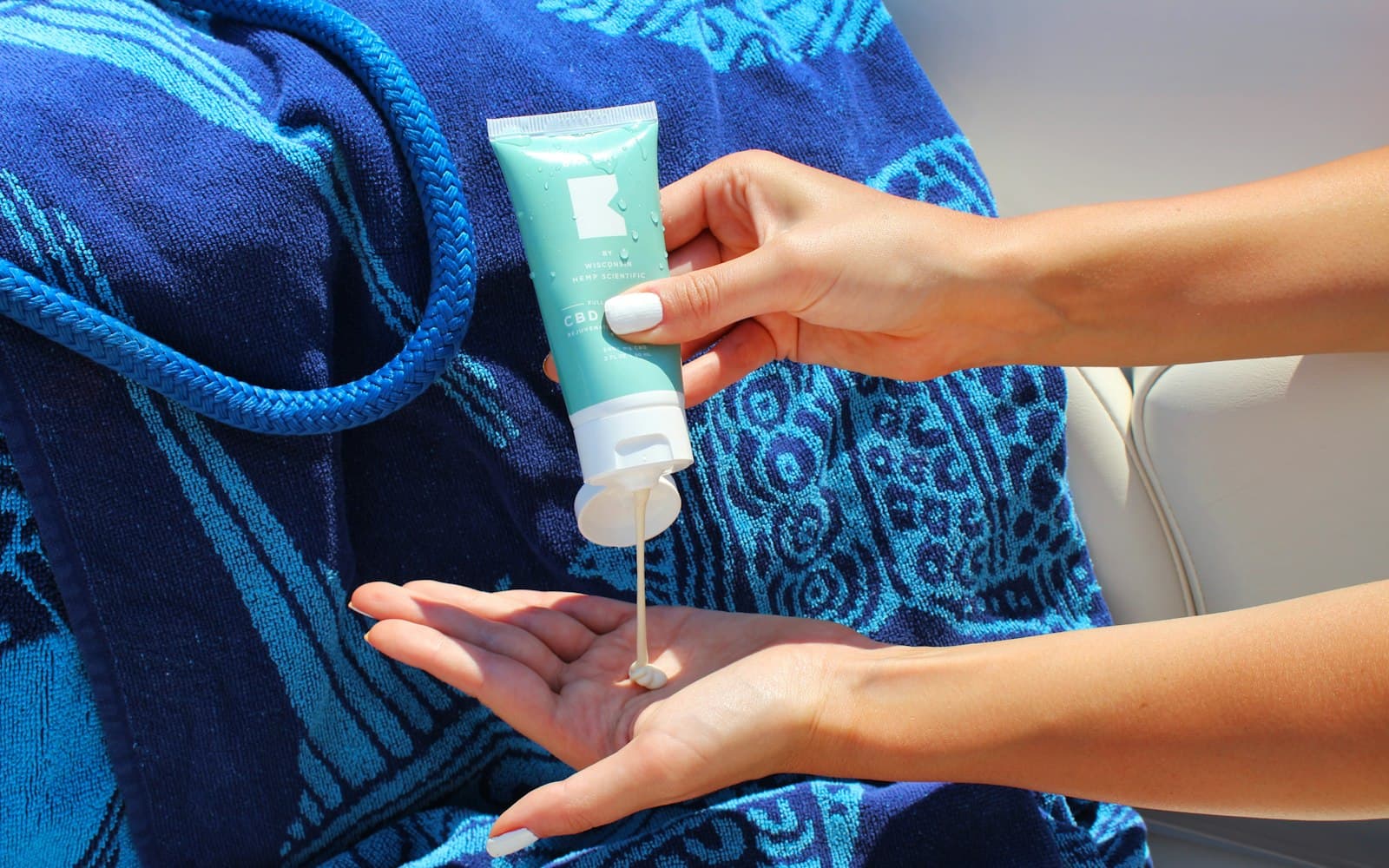
How to Apply Tanning Accelerator (So It Actually Looks Even)
The difference between a gorgeous even glow and a patchy one is five minutes of technique. Here's the full method.
5 August 2026 · 4 min read